
Tanzania has two rainy seasons: the short rains around November and the long rains from about late March to May. Many travellers avoid them. Here’s why some of our favourite trips happen then.
The good
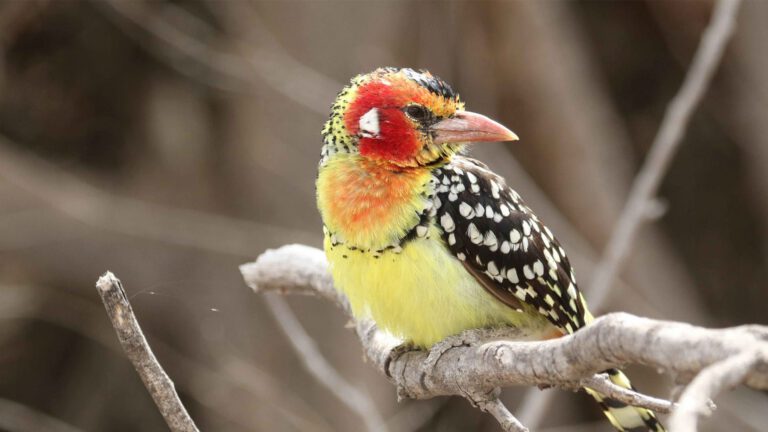
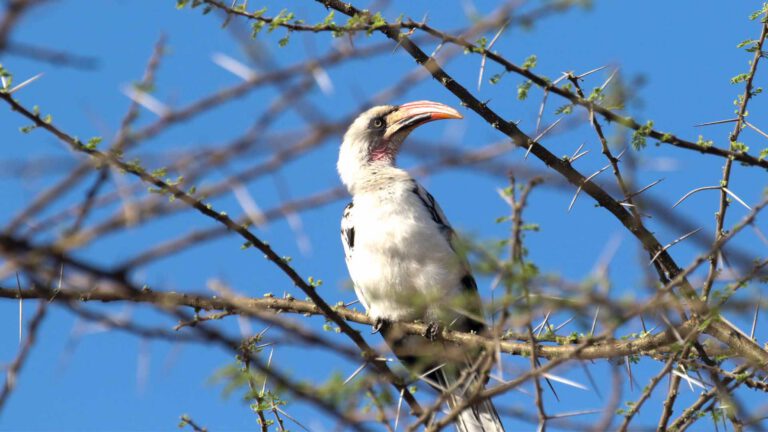
- Birding peaks. Migrant birds arrive and residents are in breeding plumage.
- Fewer vehicles. Sightings can feel private, even in the crater.
- Lower prices. Many lodges drop their rates in April and May.
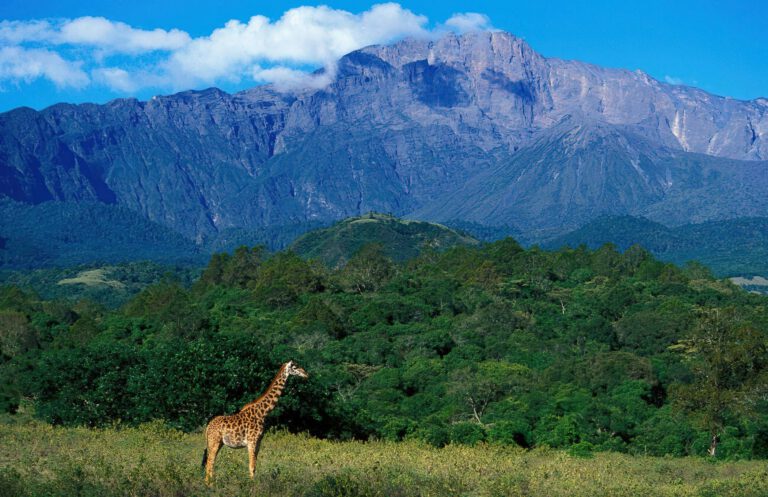
- Green landscapes. The dust settles and the photographs look completely different.
- Babies. Calving in the southern Serengeti peaks around February.
The less good
- Some roads get muddy and slow, especially in April.
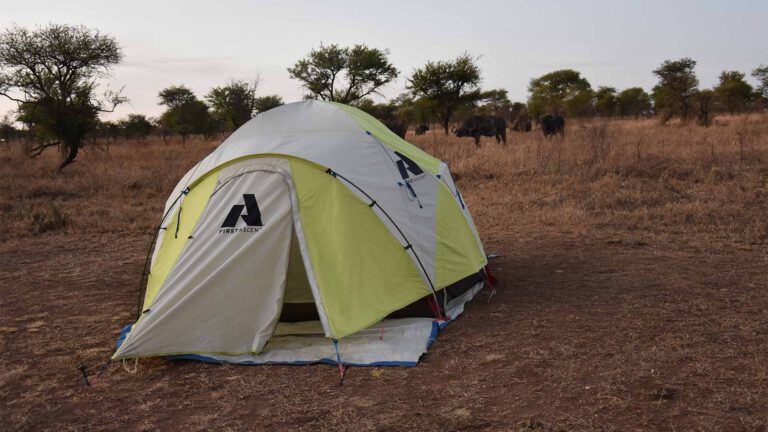
- Some lodges and camps close for a few weeks.
- Animals spread out once water is everywhere, so game viewing in Tarangire is harder than in the dry season.
- Forest birding in the Usambara Mountains is very hard in the long rains.
How much does it actually rain?
It usually doesn’t rain all day. A typical pattern is a clear morning and a heavy afternoon shower, then clear again. Many days are dry.
Who it suits
Birders, photographers and anyone who dislikes crowds. If your trip is about a few big mammals and nothing else, June to October is the safer choice.
Read our month-by-month birding guide for more detail.
Your questions answered
Which months are wettest?
Usually April and May.
Do you still run trips then?
Yes, all year, with routes adjusted to road conditions.
Is malaria worse in the rains?
Mosquitoes are more common, so take prophylaxis and use repellent.