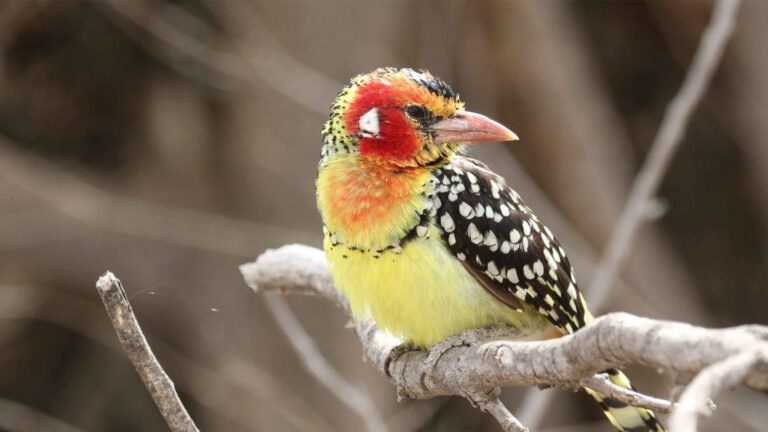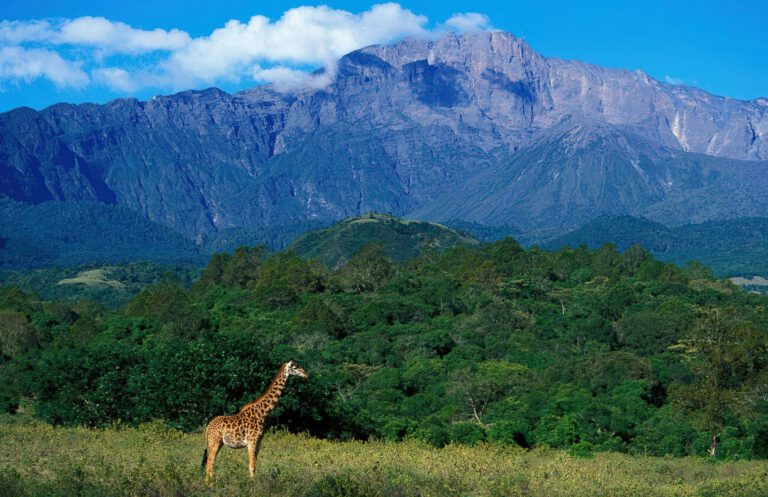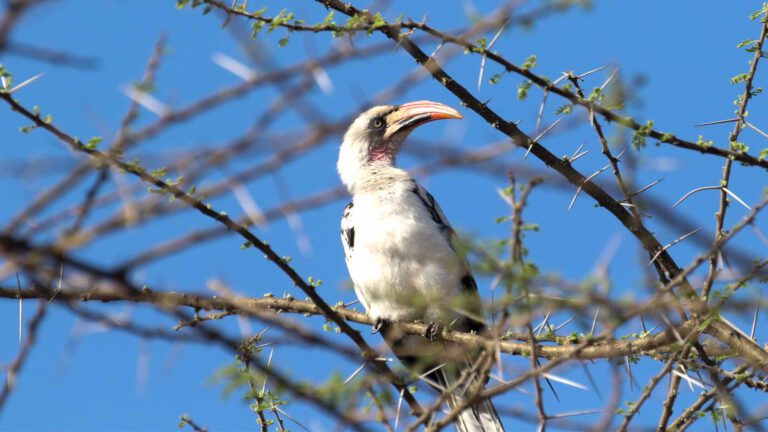

Tanzania offers excellent birding year-round. November to April is ideal for migratory birds, while June to October offers dry conditions and excellent wildlife viewing. The best time depends on your target species and destinations.
November to March: Peak Birding Season
November’s short rains bring lush landscapes and the arrival of Palearctic migrants, including wheatears, harriers, warblers and waders. Widowbirds and bishops develop their breeding plumage, while weavers become busy nesting.
January and February often bring sunny days between the rainy seasons. They also mark the calving season in the southern Serengeti, offering excellent opportunities to enjoy Tanzania’s rich birdlife alongside spectacular wildlife.
April and May: The Long Rains
Tanzania’s wettest months bring lush landscapes and fewer visitors. Some tracks become challenging, while forest birding in the southern highlands, particularly the Uluguru and Ukaguru Mountains, can be demanding. However, quieter parks and lower prices make this a rewarding time for flexible birders, especially in northern Tanzania.
June to October: The Dry Season
With shorter grass, fewer leaves and birds gathering around water, resident species are easier to spot. Although most migrants have departed, Tanzania’s resident birdlife remains rewarding, while excellent wildlife viewing makes this season ideal for birders and big-game enthusiasts alike.
When Should You Visit Tanzania for Birding?
Birding in Tanzania is rewarding year-round, but November to April is an excellent period for birdwatching, with migratory species present and many resident birds in breeding plumage.
June to October is ideal for combining birding with big-game viewing, while April and May can be challenging for forest birding in areas such as the southern highlands due to heavy rains.
Whatever your schedule, Charles Tours offers expert birding advice and tailor-made safaris to match your interests.
Your questions answered
What is the single best month for birding in Tanzania?
Many birders pick January or February: migrants are present, residents are breeding, and it’s often dry between the rains.
Is birding good in July?
Yes. Migrants are absent, but resident birds are easy to see in the dry season, and game viewing is excellent.
Charles Tours — We Follow Birds.