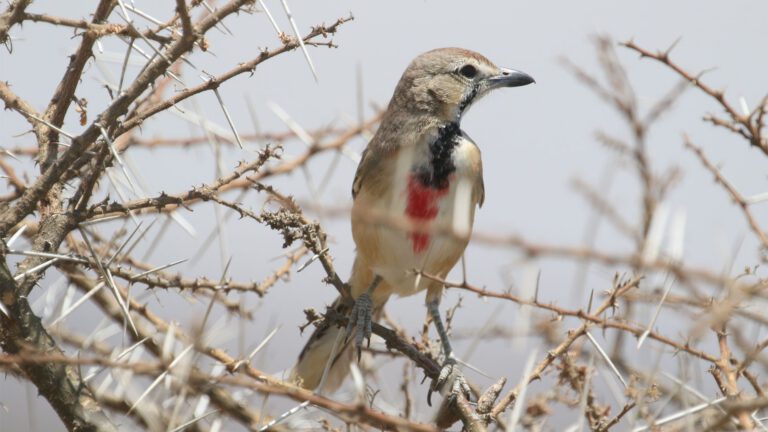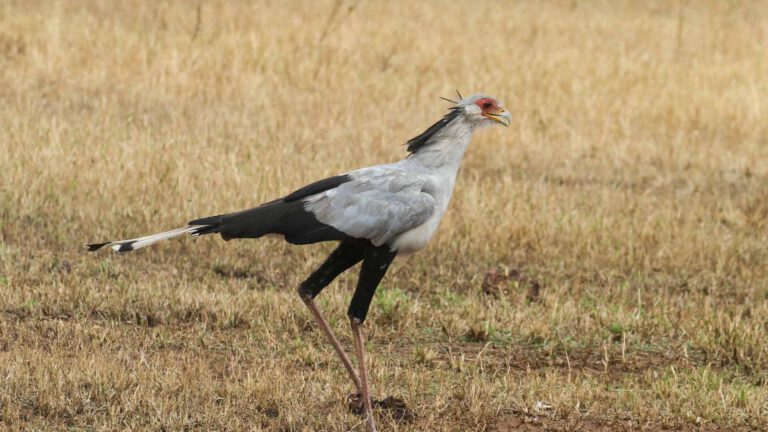

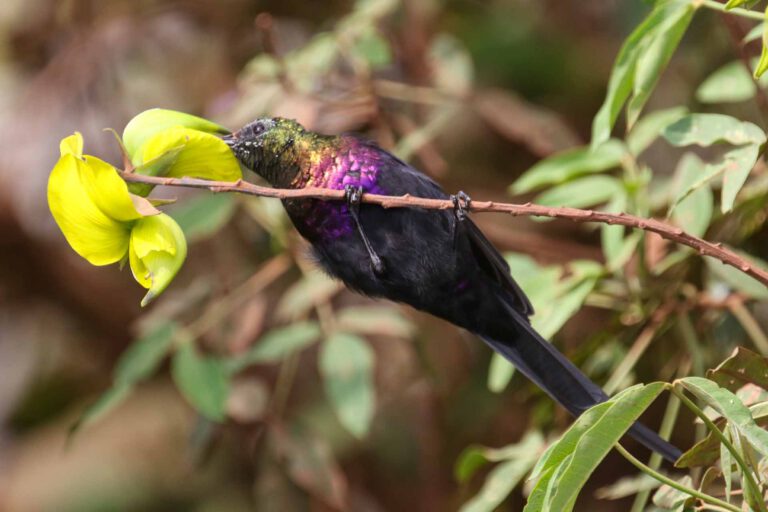
This incredible tour takes you through the Udzungwa and Rubeho Mountains in search of the rare Udzungwa and Rubeho Forest Partridges—two fascinating birds that were only recently discovered. Along the way, you’ll also have the chance to spot other unique species, like the Dapple-throat, Iringa and Rubeho Akalats, Rufous-winged and Skye Double-collared Sunbirds, and even a newly identified Sunbird just 2021, the Kipengere Seedeater, plus many more.
Day-by-day itinerary
Times and drives are approximate. Your guide adjusts each day to the weather, the wildlife and you.
Day 1: Drive from Dar es salaam to Iringa
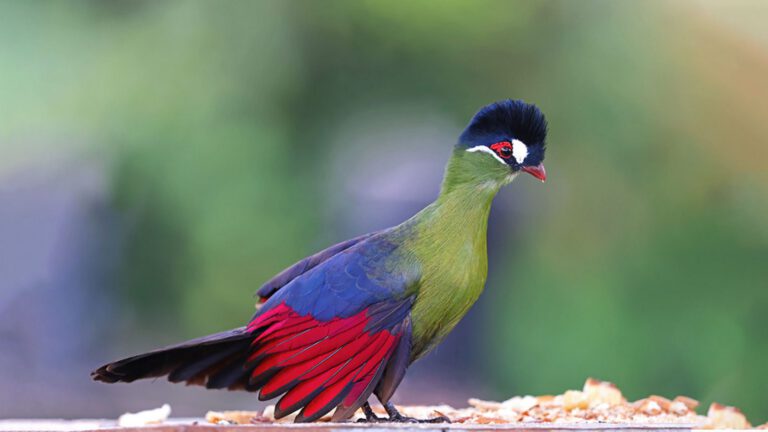
The tour kicks off this morning in Dar-es-Salaam (DAR), heading towards Iringa with planned stops along the way to search for some localized specialties. Our key targets include the endemic Yellow-collared lovebird, Ashy starling, and Tanzanian red-billed hornbill, along with other open-country species. You overnight at a lodge near Iringa.
Days 2–3: Birding in the southern Udzungwa Mountains
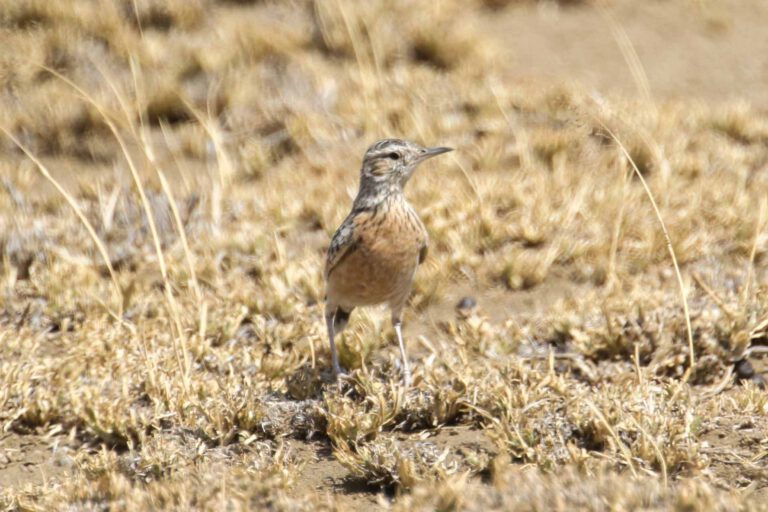
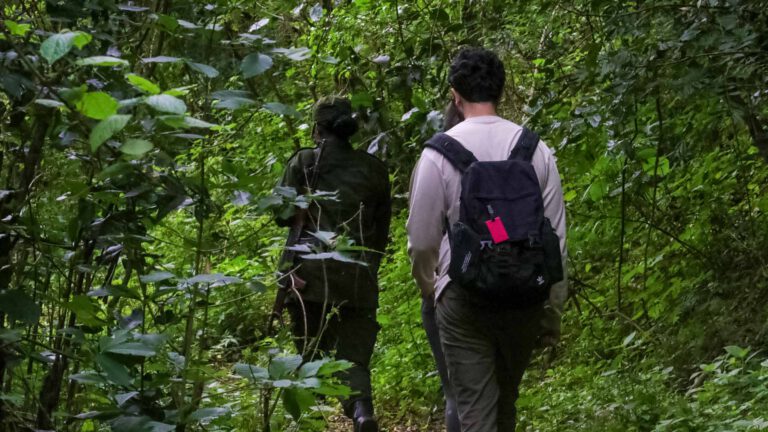
This morning, we make our way to our first camp in the southern Udzungwas, where we spend two nights. We make some stops on the way to see the Brown-headed and White-winged apalises, Black-lored and Churring cisticolas, Forest double-collared sunbird, and the Yellow-browed seedeater. We then hike up to our camp, birding the whole way up. There are a few steep bits, but overall, it is an enjoyable hike! We will have our first chances for specialties like the stunning and most-sought after Rufous-winged sunbird, Tanzanian illadopsis, Swynnerton’s robin, the weird Dapple-throat, and Iringa akalat. We camp at night in the southern Udzungwa Mountains.
Day 4: Morning Birding in Udzungwa then drive to Iringa
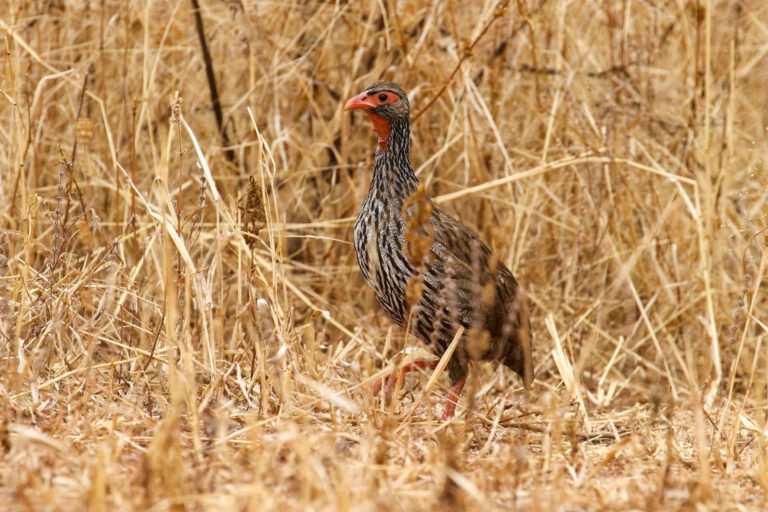
After some final birding, we will make our way back to Iringa for an overnight at our lodge. In the afternoon, we will visit a swamp not far away to look for the scarce Locust finch.
Day 5: Birding in northern Udzungwa
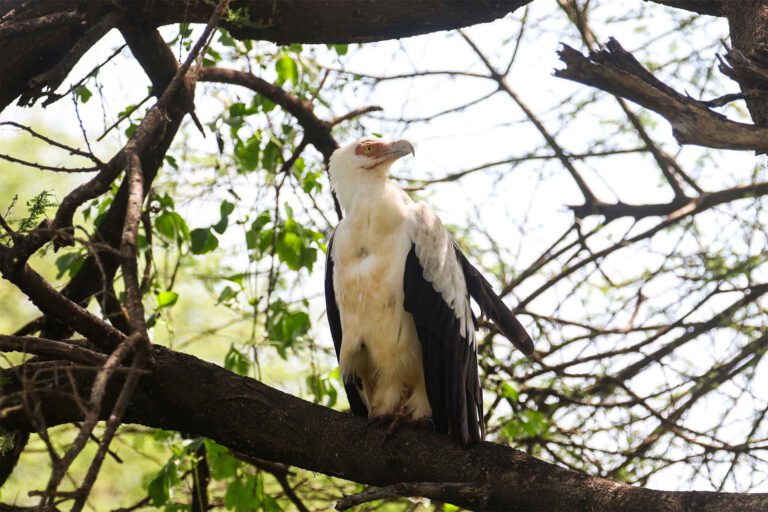
Today, we will make our way to our second forest camp, this time in the northern Udzungwas. We will camp here for three nights in the northern Udzungwa Mountains. This will give us ample time to find all endemics.
Day 6-7: Birding in northern Udzungwa
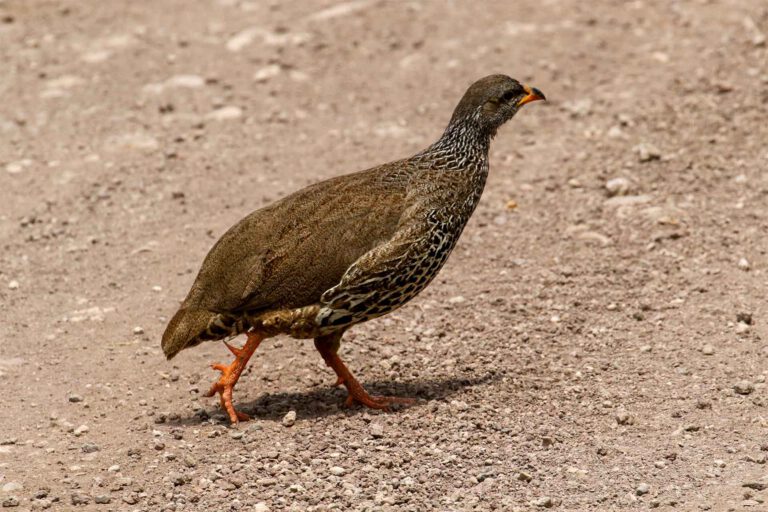
Two full days of birding in northern Udzungwas will allow us enough time to look for the recently discovered and mythical Udzungwa forest partridge, which is closely related to the Asian arborophila partridge! These birds are shy and hard to see, but we will do our best to get satisfying views. Other good birds here include the African grass owl, Montane nightjar, the seldom-seen Kipengere seedeater (whose song was not recorded before 2022!), White-chested alethe, Spot-throat, Moreau’s sunbird, Lesser seedcracker, Yellow-throated mountain greenbul, Olive-flanked ground robin, Usambara weaver, and more widespread species like the Green barbet, African broadbill, Brown parisoma, Dark batis, Yellow-streaked greenbul, Kenrick’s starling, Red-faced crimsonwing, and more. We camp overnight.
Day 8: Drive from Udzungwa to Mikumi
After some final birding around our camp, we will make our way to Mikumi for an overnight stay.
Day 9: Drive to Rubeho Mountains
We will start out early in the morning and drive from Mikumi to the Rubeho Mountains for a three-night stay, with the first night in a hotel and then next two nights in a tented forest camp.
Day 10-11: Birding in Rubeho Mountain
We will have two full days of birding on the forested slopes of the Rubeho Mountains, mainly to look for the recently discovered Rubeho forest partridge, Rubeho akalat, Skye double-collared sunbird, and a Sunbird newly discovered here by Ross Gallardy in 2021. Many other more widespread species can be found here, like the Bar-tailed trogon, Green tinkerbird, White-tailed crested flycatcher, Red-capped and Evergreen forest warblers, Black-lored cisticola, African hill babbler, Olive-flanked and Cape robin-chats, White-starred robin, White-chested alethe, Betram’s weaver, and many more. We spend two nights in a tented forest camp.
Day 12: Drive to Morogoro for overnight
After some final birding in the Rubehos, we will slowly backtrack to Morogoro for an overnight stay.
Day 13: Drive back to Dar
We will make our way back to Dar es Salaam for the tour’s end, with some stops on the way to check out the Böhm’s bee-eater, Coastal cisticola, or Ruvu weaver. The tour ends with drop-offs at the airport in the late afternoon.
Optional extension – Days 14–15: Pemba Island
We spend 2 nights in Pemba, looking for the endemic Pemba white-eye, Pemba green pigeon, Pemba scops owl and Pemba sunbird
Day 16: We transfer you to the airport for an international flight to your next destination.